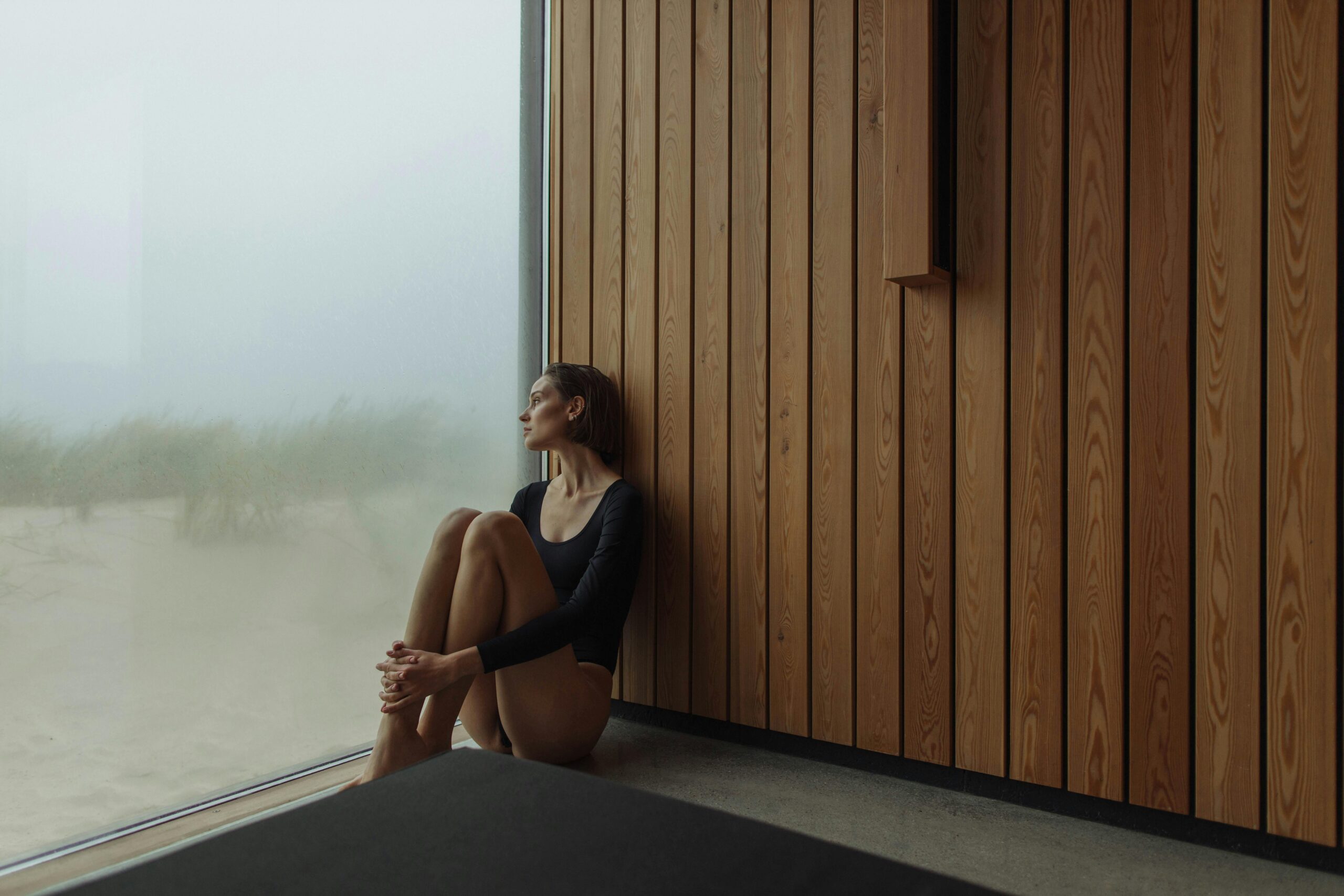
Your environment shapes your emotions more than you realize. The spaces you inhabit daily hold tremendous power over your mental state, productivity, and overall happiness.

Mood-based spatial engineering is an emerging discipline that combines psychology, interior design, neuroscience, and environmental science to create spaces that actively support your emotional well-being. Unlike traditional interior design that focuses primarily on aesthetics, this approach intentionally crafts environments that respond to and elevate your psychological needs. By understanding how spatial elements influence your nervous system, hormone production, and cognitive function, you can transform any room into a sanctuary that nurtures your desired emotional state.
🧠 The Science Behind Space and Emotion
Our brains constantly process environmental information, even when we’re not consciously aware of it. Research in environmental psychology demonstrates that spatial characteristics trigger specific neurological responses that directly impact mood regulation. Light exposure influences serotonin and melatonin production, affecting everything from energy levels to sleep quality. Color wavelengths stimulate different areas of the brain, with warm tones activating emotional centers and cool tones promoting calm analytical thinking.
Spatial dimensions also matter significantly. High ceilings promote abstract thinking and creativity, while lower ceilings enhance focus on detail-oriented tasks. The phenomenon known as “cathedral effect” explains why we feel more contemplative and free-thinking in expansive spaces. Room temperature, air quality, acoustic properties, and even the arrangement of furniture send constant signals to your subconscious mind, creating emotional associations that compound over time.
Neuroscientists have identified that our hippocampus and amygdala—brain regions responsible for memory and emotional processing—create powerful connections between places and feelings. This explains why certain spaces instantly make you feel energized while others drain your vitality. By intentionally designing these environmental triggers, you can essentially program your spaces to support specific emotional outcomes.
🎨 Color Psychology: Painting Your Emotional Landscape
Color represents one of the most accessible and impactful tools in mood-based spatial engineering. Different wavelengths of light absorbed by your retina trigger distinct neurochemical responses throughout your body. Understanding these relationships allows you to strategically deploy color in ways that serve your emotional objectives.
Blue tones reduce heart rate and lower blood pressure, making them ideal for bedrooms and meditation spaces. Studies show that people in blue rooms report feeling more calm and experience improved sleep quality. Green connects us to nature and promotes balance, reducing stress while maintaining alertness—perfect for home offices where you need sustained concentration without anxiety.
Warm colors like yellow and orange stimulate mental activity and generate feelings of optimism and energy. These work wonderfully in kitchens and creative workspaces where you want to encourage social interaction and innovative thinking. Red increases heart rate and can enhance passion and excitement, though it should be used sparingly as prolonged exposure may increase stress levels.
Neutral palettes provide psychological rest, allowing your mind to decompress from sensory overload. Beiges, grays, and whites create clean slates that work particularly well in minimalist approaches to mood engineering, where you want flexibility to introduce color through changeable elements like artwork, textiles, and plants.
💡 Lighting Design: Illuminating Your Inner State
Light profoundly influences your circadian rhythm, hormone production, and emotional regulation. Poor lighting contributes to depression, fatigue, and decreased cognitive function, while thoughtful illumination strategies can dramatically enhance well-being. Mood-based spatial engineering treats lighting as a dynamic tool rather than a static fixture.
Natural light should be maximized whenever possible. Exposure to daylight regulates cortisol production, improves vitamin D synthesis, and synchronizes your internal biological clock. Position workspaces near windows and use sheer curtains that diffuse harsh direct sunlight while maintaining brightness. For spaces without adequate natural light, full-spectrum bulbs that mimic daylight wavelengths provide the next best alternative.
Layered lighting creates versatility for different moods and activities. Ambient lighting provides overall illumination, task lighting focuses on specific work areas, and accent lighting highlights architectural features or artwork while adding warmth. Installing dimmer switches gives you control over intensity, allowing you to adjust brightness according to time of day and desired emotional state.
Color temperature matters tremendously. Cool white light (5000-6500K) promotes alertness and concentration, ideal for morning routines and focused work. Warm white light (2700-3000K) encourages relaxation and comfort, perfect for evenings when you’re winding down. Smart lighting systems that automatically adjust color temperature throughout the day can support your natural circadian rhythm without requiring conscious management.
🪴 Biophilic Design: Reconnecting With Nature Indoors
Humans evolved in natural environments, and our nervous systems remain calibrated to respond positively to organic elements. Biophilic design incorporates natural materials, plants, water features, and nature-inspired patterns into interior spaces, triggering psychological responses that reduce stress and enhance cognitive function.
Indoor plants purify air while providing visual connection to living systems. Studies demonstrate that simply viewing plants reduces blood pressure and promotes feelings of calm. Species like snake plants, pothos, and peace lilies thrive indoors with minimal maintenance while offering maximum psychological benefit. Arranging plants at various heights creates depth and mimics forest ecosystems, amplifying the calming effect.
Natural materials like wood, stone, and bamboo introduce organic textures that feel inherently comforting. These materials often possess subtle variations and imperfections that our brains find more engaging than uniform manufactured surfaces. Wooden furniture, stone countertops, and woven textiles made from natural fibers add warmth while grounding spaces in tangible connection to the earth.
Water features provide both visual interest and beneficial white noise that masks disruptive sounds. The sound of flowing water activates the parasympathetic nervous system, promoting relaxation responses. Even small tabletop fountains can significantly improve the ambiance of meditation corners or bedrooms.
🛋️ Spatial Configuration: Arranging for Emotional Flow
How you arrange furniture and define spatial zones profoundly impacts how energy moves through a room and how you feel within it. Mood-based spatial engineering considers traffic patterns, sightlines, and psychological boundaries when organizing physical elements.
Create conversation areas by arranging seating in circular or facing configurations that encourage connection. Avoid pushing all furniture against walls, which creates dead space in room centers and discourages intimate interaction. Floating furniture arrangements define zones while maintaining openness and flow.
Establish clear functional zones for different activities, even in small spaces. Your brain benefits from spatial cues that signal different modes—work, relaxation, creativity, socialization. Use rugs, lighting changes, or subtle dividers to delineate these zones without creating rigid barriers. This spatial clarity reduces decision fatigue and helps your mind transition between different mental states.
Consider sightlines from key positions like your bed, desk, or favorite chair. What you see from these anchored positions significantly influences your subconscious emotional state. Arrange spaces so restful positions face windows, artwork, or organized areas rather than cluttered zones or blank walls. This principle, borrowed from feng shui, recognizes that visual harmony promotes mental harmony.
🎵 Acoustic Engineering: Sound as Emotional Architecture
Sound profoundly affects mood, yet acoustic design remains one of the most overlooked aspects of spatial engineering. Unwanted noise increases cortisol levels, disrupts concentration, and degrades sleep quality. Conversely, pleasant soundscapes enhance relaxation, creativity, and emotional well-being.
Identify and mitigate noise pollution sources. Heavy curtains, upholstered furniture, rugs, and acoustic panels absorb sound and reduce echo. Bookshelves filled with books create effective sound barriers while serving functional purposes. Weather stripping on doors and windows blocks external noise from traffic or neighbors.
Introduce intentional soundscapes that support your desired mood. White noise machines mask disruptive sounds while providing consistent acoustic background. Nature sounds like rainfall, ocean waves, or forest ambiance activate relaxation responses. Musical selections can energize, soothe, or inspire depending on tempo, instrumentation, and personal associations.
Create acoustic variety between spaces when possible. Quiet zones for deep work or rest benefit from maximum sound absorption, while social spaces can handle more acoustic liveliness. This contrast helps your brain recognize functional transitions and shift mental states accordingly.
🧘 Sensory Balance: Crafting Multi-Dimensional Experiences
Truly transformative spaces engage multiple senses simultaneously, creating rich experiential environments that support holistic well-being. Beyond visual and acoustic elements, consider tactile, olfactory, and even thermal sensations when engineering mood-supportive spaces.
Texture diversity adds psychological interest and encourages mindful presence. Combine smooth and rough, soft and firm, warm and cool surfaces throughout your space. Plush throw blankets, nubby pillows, smooth ceramic objects, and rough natural wood create tactile landscapes that engage your sense of touch and ground you in physical reality.
Scent powerfully influences emotion and memory through direct connections between olfactory receptors and the limbic system. Essential oil diffusers, natural candles, or fresh flowers introduce aromatic elements that support specific moods. Lavender promotes relaxation, citrus energizes and uplifts, peppermint enhances alertness, and eucalyptus clears mental fog. Rotate scents seasonally or based on your current emotional needs.
Temperature comfort significantly impacts mood and productivity. Most people perform optimally between 68-72°F, but personal preferences vary. Programmable thermostats, space heaters, fans, and layered textiles give you control over thermal comfort. Warm spaces encourage relaxation, while slightly cooler environments promote alertness—adjust according to activity and desired mental state.
🔄 Adaptive Spaces: Designing for Emotional Flexibility
Your emotional needs change throughout the day, across seasons, and during different life phases. Rather than creating static environments, mood-based spatial engineering embraces adaptability, allowing your space to evolve with your psychological requirements.
Modular furniture arrangements facilitate easy reconfiguration. Lightweight pieces, wheeled elements, and multi-functional furniture allow you to reshape your environment for different activities or moods. A reading corner can become a yoga space, or a formal dining area can transform into a creative workshop when your needs shift.
Changeable decorative elements provide psychological refreshment without major renovation. Rotating artwork, swapping pillow covers, changing curtains, or rearranging accessories gives your brain new stimuli and prevents environmental habituation. These minor updates signal change and renewal, supporting psychological flexibility and preventing emotional stagnation.
Seasonal adjustments align your interior environment with natural cycles. Lighter colors, breathable fabrics, and increased natural ventilation support summer vitality. Warmer tones, heavier textures, and cozy lighting create winter sanctuary. These transitions honor your body’s biological responses to changing daylight and temperature patterns.
✨ Intentional Decluttering: Space as Mental Clarity
Physical clutter creates mental clutter through constant low-level stress signals. Your brain processes every visible object, and excessive visual stimulation depletes cognitive resources. Mood-based spatial engineering treats emptiness as a valuable design element rather than wasted space.
Implement mindful minimalism by keeping only items that serve clear functional or emotional purposes. Every object should either be useful or bring genuine joy—not just occupy space out of obligation or habit. This intentionality creates environments that support rather than drain your energy.
Establish organizational systems that maintain order without constant effort. Designated storage for every category, visible homes for frequently used items, and hidden storage for occasional-use objects reduces decision fatigue and visual noise. Clear surfaces provide psychological rest and make spaces feel larger and more serene.
Regular editing sessions prevent accumulation and ensure your space continues serving your current life rather than housing your past. Quarterly reviews of possessions, donations of unused items, and conscious purchasing decisions maintain the clarity that supports emotional well-being.
🏡 Room-by-Room Mood Engineering Applications
Different spaces serve different functions and therefore benefit from tailored mood-engineering approaches. Applying these principles room-by-room creates a cohesive home environment that supports your emotional journey throughout daily life.
Bedrooms should prioritize rest and restoration. Cool color palettes, blackout capabilities, minimal electronics, soft textures, and excellent ventilation create optimal sleep environments. Keep work materials and stress-inducing items outside this sanctuary. Layer lighting for flexibility, with bright options for morning routines and warm dim lighting for evening wind-down.
Home offices require focus-supporting design. Natural light, ergonomic furniture, organized storage, inspiring artwork, and plants that purify air enhance productivity while reducing stress. Separate work zones from relaxation areas even within the same room to create psychological boundaries. Consider slightly cooler temperatures and energizing color accents to maintain alertness.
Living spaces benefit from conversational arrangements, comfortable seating, warm lighting, and personal touches that reflect your identity and values. Balance stimulation with calm through thoughtful accessory selection. Create multiple activity zones for reading, socializing, entertainment, and relaxation within larger living areas.
Kitchens thrive with clean surfaces, efficient organization, good ventilation, and cheerful colors that stimulate appetite and conversation. Since kitchens often serve as social hubs, design for both functional workflow and comfortable gathering. Adequate task lighting prevents eye strain while ambient lighting creates inviting atmosphere.
📱 Technology Integration: Digital Tools for Spatial Mood Management
Modern technology offers powerful tools for implementing and managing mood-based spatial engineering. Smart home systems, specialized apps, and connected devices give you unprecedented control over environmental variables that influence emotional state.
Smart lighting systems allow programmed schedules that automatically adjust color temperature and intensity throughout the day, supporting natural circadian rhythms without manual intervention. Voice-controlled adjustments let you instantly create desired atmospheres for different activities or moods.
Environmental monitoring devices track air quality, humidity, temperature, and noise levels, providing data-driven insights into how spatial conditions affect your well-being. These metrics help identify problems you might not consciously notice but which subtly degrade your mood.
Meditation and ambient sound applications create customizable acoustic environments supporting relaxation, focus, or sleep. Many offer nature sounds, binaural beats, or guided experiences tailored to specific emotional objectives.
🌟 Sustaining Your Mood-Engineered Environment
Creating a mood-supportive space represents just the beginning—maintaining these benefits requires ongoing attention and adjustment. Your emotional needs evolve, and your environment should adapt accordingly.
Establish regular maintenance routines that preserve the qualities you’ve intentionally created. Weekly decluttering sessions, monthly deep cleaning, and seasonal refreshes prevent degradation of your carefully engineered space. These practices become meditative rituals that reinforce your commitment to environmental well-being.
Remain attentive to how spaces make you feel and adjust accordingly. Your emotional responses provide valuable feedback about what’s working and what needs modification. Trust your instincts—if something feels off, investigate and experiment with changes.
View your space as a living system that grows with you rather than a finished project. As you evolve, your environmental needs shift. Embrace this fluidity and allow your mood-engineering practices to mature alongside your personal development.
🚀 Your Journey Toward Spatial Emotional Intelligence
Transforming your space to elevate your mood represents an investment in your most valuable asset—your mental and emotional well-being. By applying mood-based spatial engineering principles, you create environments that actively support your happiness, productivity, creativity, and peace rather than passively housing your activities.
Start small with easily changeable elements like lighting adjustments, strategic color additions, or introducing plants. Notice how these modifications affect your emotional state throughout the day. Build gradually toward more comprehensive transformations as you develop spatial emotional intelligence—the ability to read and respond to the psychological impacts of your environment.
Remember that perfection isn’t the goal. Your space should authentically reflect who you are while supporting who you’re becoming. The most effective mood-engineered environments balance aesthetic appeal with functional psychology, creating sanctuaries that feel both beautiful and profoundly supportive of your inner life.
Your environment shapes you constantly. By taking intentional control of spatial elements, you reclaim agency over these influences and harness them for your benefit. The power to transform your space and elevate your mood lies within your creative vision and willingness to experiment. Begin today with one small change, and watch as your environment becomes your most powerful ally in the pursuit of ultimate well-being.